
Conduite hivernale : 4 comportements à adopter (winter driving: 4 habits to adopt)
Transcript : Conduite hivernale : 4 comportements à adopter (winter driving: 4 habits to adopt)

In winter, drivers must adapt their driving to weather and road conditions. Under the Highway Safety Code, drivers must slow down when visibility is reduced as a result of darkness, fog, rain or other precipitation, or when the roadway is slippery or not completely cleared.
Winter tires are mandatory from December 1 to March 15 inclusive.
Only studded tires and tires on which the following pictogram is found are considered proper winter tires.
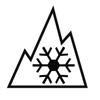
Important: Not all winter tires handle the same way in snow or on ice. To ensure your safety, be sure to assess your driving habits and needs before choosing a set of winter tires.
To obtain a winter tire exemption certificate, make a request through SAAQclic or visit a service outlet.
Before heading out, make sure you can make your trip safely by consulting:
Snow removal vehicles have many blind spots that prevent their drivers from seeing other road users.
It is best to stay at a safe distance when driving near this type of vehicle to ensure you are in the driver's field of vision.
This winter, for your own safety, keep your distance!
A vehicle’s windshield and windows must be cleared of any matter that might reduce visibility for the driver. A peace officer may impose a fine of $100 to $200, plus costs, on the driver and require that the vehicle’s windows and windshield be cleared of ice, snow, or any other matter that reduces the driver’s visibility. The driver must comply with this requirement.
Furthermore, no person may drive a vehicle covered with ice, snow, or any other matter that may detach from the vehicle and constitute a hazard for other road users. Offenders face a fine of $60 to $100, plus costs.
Some driving schools offer lessons on how to drive on snow and ice to people who want to improve their winter driving techniques.
After a heavy snowfall, it is important that you clear the snow off your vehicle before starting it to avoid carbon monoxide poisoning.
Carbon monoxide is an insidious gas, as it is odourless. It spreads through the passenger compartment of a vehicle without being noticed. It can cause health problems and even lead to death. When your car is covered with snow, you must always avoid turning on the ventilation and staying inside your vehicle after starting it. You must also ensure that the exhaust pipe is clear, in addition to the sides and the underside of the vehicle.
If you experience carbon monoxide poisoning symptoms (nausea, dizziness, vision problems), quickly get out of your vehicle and air it out.
Other things to watch out for:
Visit the Winter Preparation and Winter Tires: Safe Winter Driving webpages for other tips and advice. You can also visit the website of the Ministère des Transports et de la Mobilité durable to find out more, about:
Transcript : Conduite hivernale : 4 comportements à adopter (winter driving: 4 habits to adopt)
Transcript :Technique de conduite dans une courbe (taking curves)
Last update: December 16, 2024